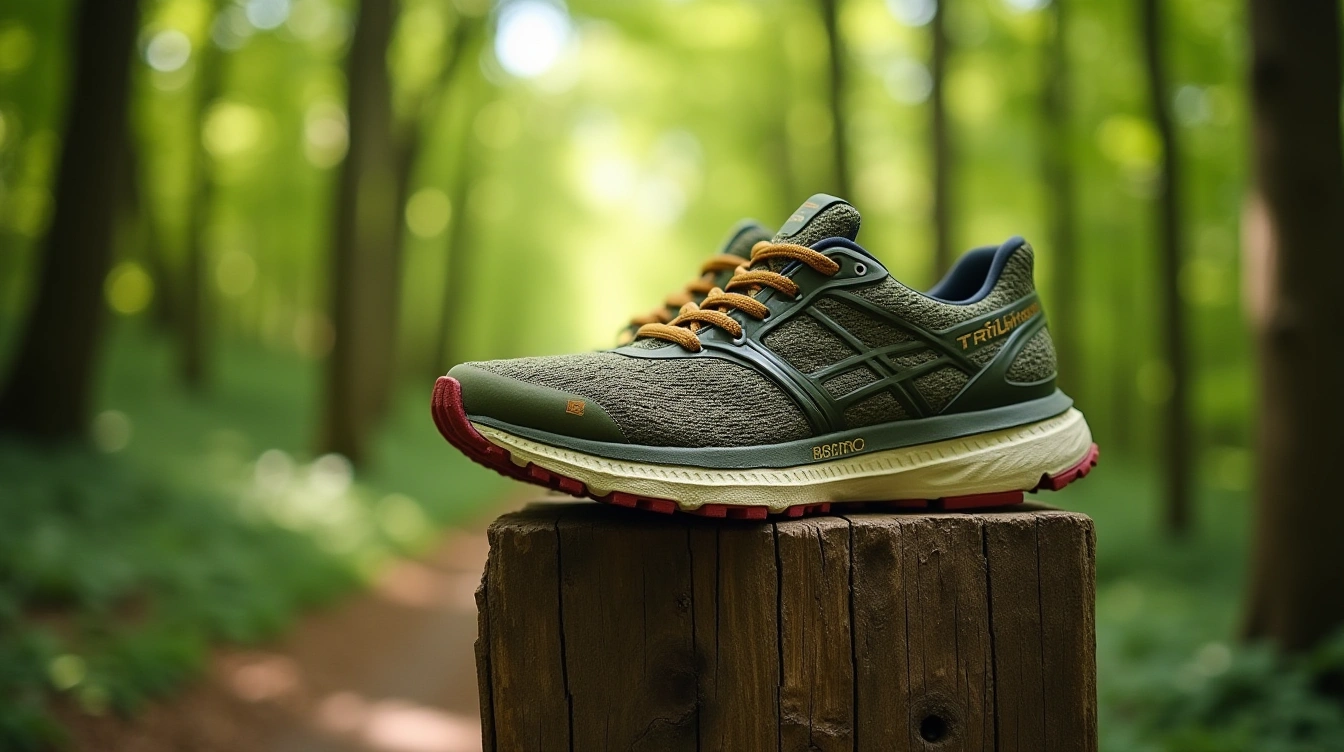
The Complete Guide to Testing Your Running and Trail Running Shoes
Finding the perfect running shoes can transform your performance and prevent costly injuries. According to a 2024 Runner’s World survey, 73% of runners who properly tested their shoes before purchasing reported fewer injuries and improved comfort during long runs. But how do you know if those promising shoes will truly support your unique running style and terrain preferences?
This comprehensive guide walks you through proven testing methods for both road and trail running shoes. Whether you’re browsing options at Power Sprint or your local running store, you’ll learn the essential techniques that help serious runners make informed decisions and find their ideal footwear match.
This might interest you : Why Are Balanced Training Regimens Critical for Career Longevity in British Athletes?
Why Proper Shoe Testing Matters for Performance and Injury Prevention
The wrong running shoes don’t just affect your comfort—they can derail your entire training program. Studies show that running-related injuries affect up to 79% of recreational runners annually, with improper footwear being a significant contributing factor. When you skip thorough shoe testing, you’re essentially gambling with your body’s biomechanics.
Your feet strike the ground approximately 1,400 times per mile during a typical run. Each impact sends force through your entire kinetic chain, from your ankles to your knees, hips, and lower back. Shoes that don’t match your gait pattern, foot shape, or running style can create compensation patterns that lead to overuse injuries like plantar fasciitis, IT band syndrome, or stress fractures.
Topic to read : Top Must-Have Nutrients for Swimmers Thriving Through Intense Training Sessions
Performance suffers just as much as injury risk increases with poorly fitted shoes. Inadequate cushioning forces your muscles to work harder for shock absorption, while excessive motion control can restrict your natural stride efficiency. The result? Slower times, increased fatigue, and a higher likelihood of abandoning your running goals altogether.
Proper testing reveals how shoes respond to your unique biomechanics across different terrains and distances, ensuring your investment enhances rather than hinders your running journey.
Essential Features to Evaluate During Your Testing Process
When testing running shoes, focus on these six critical features that directly impact your running performance and comfort. Each criterion requires specific evaluation methods that differ between road and trail running conditions.
- Cushioning and Impact Absorption: Test on hard surfaces for road shoes by heel striking deliberately. For trail shoes, jump on rocks or roots to assess midsole protection. Pay attention to how your knees and ankles feel after 15-20 minutes of testing.
- Stability and Support: Run figure-8 patterns and sharp turns to evaluate lateral support. Trail runners should test on uneven terrain, while road runners should focus on how the shoe handles direction changes on pavement.
- Breathability: Wear the shoes for extended periods indoors first. Road shoes should excel in hot conditions, while trail shoes need moisture management during creek crossings and muddy sections.
- Traction and Grip: Test road shoes on wet pavement and painted lines. For trail shoes, evaluate grip on loose gravel, wet rocks, and steep inclines. The outsole pattern should provide confidence on your typical terrain.
- Durability Indicators: Examine the outsole wear pattern after initial testing. Check for premature creasing in the upper and assess how well the materials hold up to your running style.
- Fit and Comfort: Test at different times of day when your feet naturally swell. Ensure adequate toe box space and no pressure points during longer test runs.
Professional Techniques for Road Running Shoe Assessment
Testing road running shoes requires a systematic approach that goes beyond a simple store walk-around. Professional runners and footwear specialists rely on multi-surface evaluation to assess how shoes perform under real conditions. Start your assessment on smooth asphalt, then progress to concrete sidewalks and varied road textures to understand how the shoe responds to different impact levels.
The asphalt cushioning test reveals crucial information about long-term comfort. Run at your typical training pace for at least 10-15 minutes on fresh asphalt, paying attention to how your feet feel during the final minutes. Quality road shoes should maintain consistent shock absorption throughout this period, with no hot spots or pressure points developing around your forefoot or heel.
Wear pattern analysis after 3-4 test runs provides invaluable insights into shoe longevity and biomechanical compatibility. Examine the outsole for even wear distribution and check the midsole for compression marks. Shoes that show premature wear on specific areas may indicate poor alignment with your running style, potentially leading to discomfort or injury over extended use.
Trail-Specific Testing Methods for Off-Road Performance
Testing trail running shoes requires a fundamentally different approach than evaluating road shoes. The unpredictable nature of off-road terrain demands specialized assessment techniques that replicate the challenges you’ll face on actual trails.
Start with wet rock adhesion testing by finding smooth, damp surfaces like concrete steps or wet pavement. Walk slowly across these surfaces, paying attention to how confidently the outsole grips. Quality trail shoes should provide secure footing without any slipping sensation, even on challenging angles.
Evaluate stone protection by walking deliberately over gravel paths or rocky surfaces. Your feet should feel cushioned from sharp edges and pointed stones. Any uncomfortable pressure points or bruising sensations indicate insufficient rock plate protection for serious trail use.
Test lateral stability during descent simulation by walking down steep inclines or stairs. Your foot should feel locked into the shoe without sliding forward, and your ankle should feel supported during side-to-side movements. This prevents injury on technical descents where precise foot placement is crucial.
For waterproof models, conduct a simple puddle test by stepping through shallow water for 30 seconds. Your socks should remain completely dry, confirming the membrane’s integrity before you encounter stream crossings on the trail.
How Long Should Your Evaluation Period Last?
The optimal testing period for running shoes varies significantly based on your intended use and running habits. Casual runners typically need 3-5 runs to assess basic comfort and fit, while serious athletes should plan for at least 2-3 weeks of regular training to evaluate performance characteristics fully.
Your body adapts to new footwear gradually, which means initial impressions can be misleading. The first run might feel awkward due to design differences from your previous shoes, but comfort often improves after 20-30 miles of wear. This break-in period is essential for materials to mold to your foot shape and for your gait to adjust naturally.
Different shoe categories require different evaluation timeframes. Trail shoes need testing across various terrain types over 4-6 runs, while road shoes can be assessed more quickly on consistent surfaces. Pay attention to emerging issues like hot spots, unusual wear patterns, or persistent discomfort after the initial adaptation period.
Trust your instincts about red flag symptoms. Sharp pain, blisters that worsen with each run, or significant discomfort that doesn’t improve after 50 miles indicates a poor fit that won’t resolve with time.
Common Testing Mistakes to Avoid

Many runners sabotage their shoe selection by making critical testing errors. The most common mistake involves testing shoes only on flat store surfaces, which provides zero insight into how they’ll perform on actual terrain. Your feet behave completely differently on concrete versus trails, grass, or varied inclines.
Another frequent error is ignoring those crucial first sensations when you slip on the shoes. If something feels off immediately – pressure points, tightness, or instability – trust that instinct. These issues rarely improve with break-in time and often worsen during longer runs.
Don’t overlook the importance of testing with your actual running socks. The thickness and material of your socks significantly impact fit and comfort. Testing barefoot or with thin dress socks gives you a completely inaccurate feel for the shoe’s true performance.
Finally, avoid the trap of testing shoes only during short walks around the store. Your feet need at least 10-15 minutes of varied movement to reveal potential issues with arch support, heel slippage, or toe crowding that could derail your running experience.
Your Questions About Running Shoe Testing
How do I know if my running shoes are right for me?
Pay attention to comfort during the first few runs, check for pressure points, and monitor any unusual fatigue. Your feet should feel supported without pain or hot spots after 3-5 test runs.
What should I test when buying new trail running shoes?
Focus on traction performance on different surfaces, ankle support during lateral movements, and toe protection. Test the grip on wet rocks, loose gravel, and steep inclines during your trial period.
How long should I test running shoes before deciding to keep them?
Allow 2-3 weeks of regular running to properly evaluate fit, comfort, and performance. This timeframe lets your feet adapt while revealing any potential issues before they become problematic.
What are the most important features to evaluate in trail shoes?
Prioritize outsole grip, rock plate protection, heel stability, and upper durability. Test how well the shoe handles technical terrain and whether it provides adequate protection from trail hazards.
How can I test shoe durability before making a purchase?
Examine the outsole rubber quality, check stitching integrity, and flex the midsole. Run on abrasive surfaces during your trial period to assess wear patterns and construction quality early.